24 Boys Bedroom Paint Ideas They’ll Love
A boy’s bedroom can feel completely different with the right paint color. Whether you’re creating a playful room for a young child, a cozy space for a tween, or a more mature bedroom for a teenager, the wall color can set the entire mood.
From deep blue and earthy green to warm neutrals and creative two-tone combinations, these ideas offer plenty of inspiration without relying on overly themed decor. Each option is designed to feel stylish, comfortable, and easy to personalize as his interests change.
1. Deep Navy Adventure Room
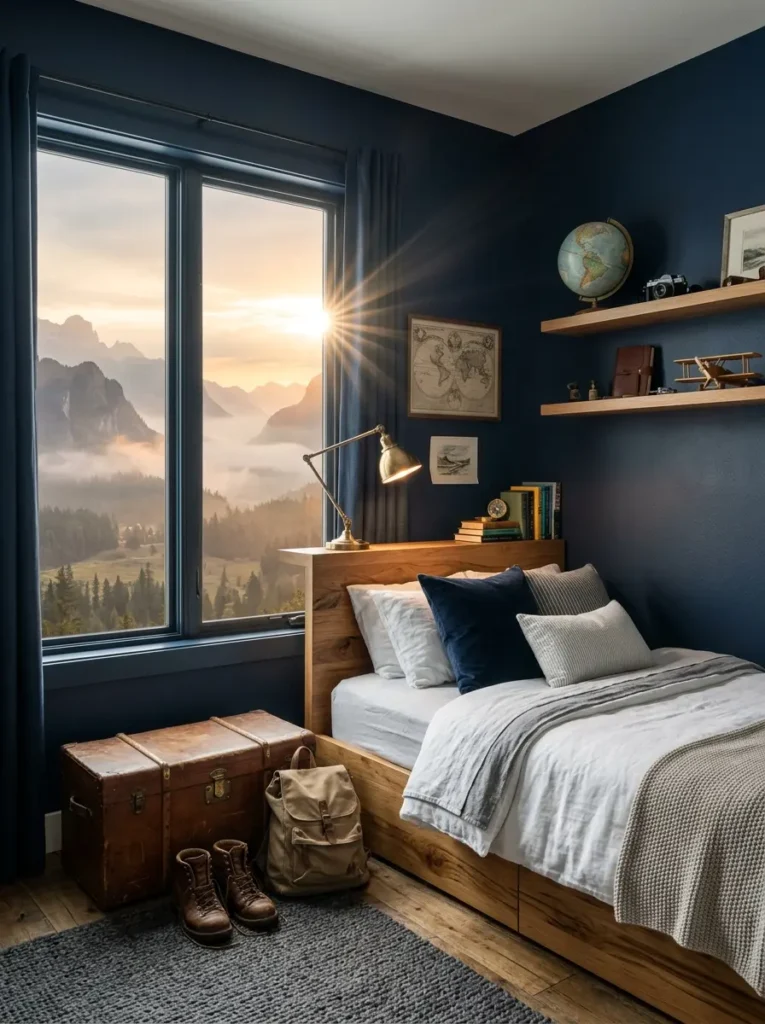
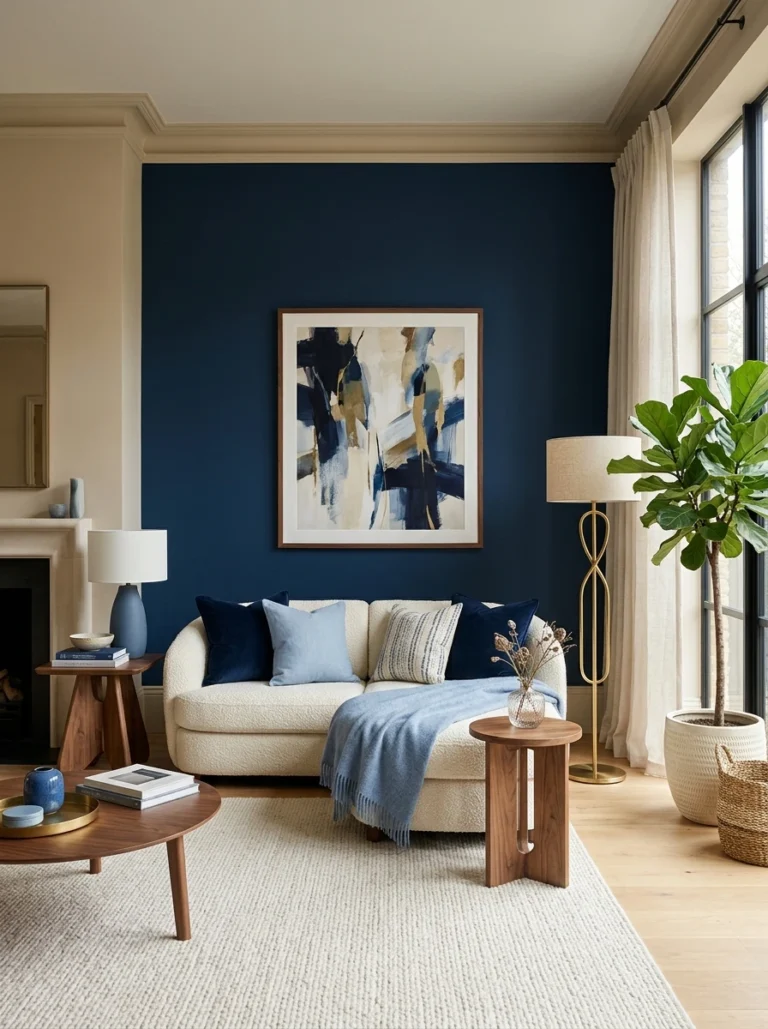
Deep navy creates a strong, cozy backdrop that works especially well in bedrooms with plenty of natural light. Pair it with crisp white trim and warm oak furniture to keep the dark color balanced rather than heavy.
For a subtle adventurous touch, add a simple world map, leather storage basket, or brass reading light. Soft gray bedding can connect the darker walls with lighter furnishings while keeping the room comfortable enough for everyday use.
Palette: Navy + white + warm oak + soft gray
2. Forest Green Nature Retreat
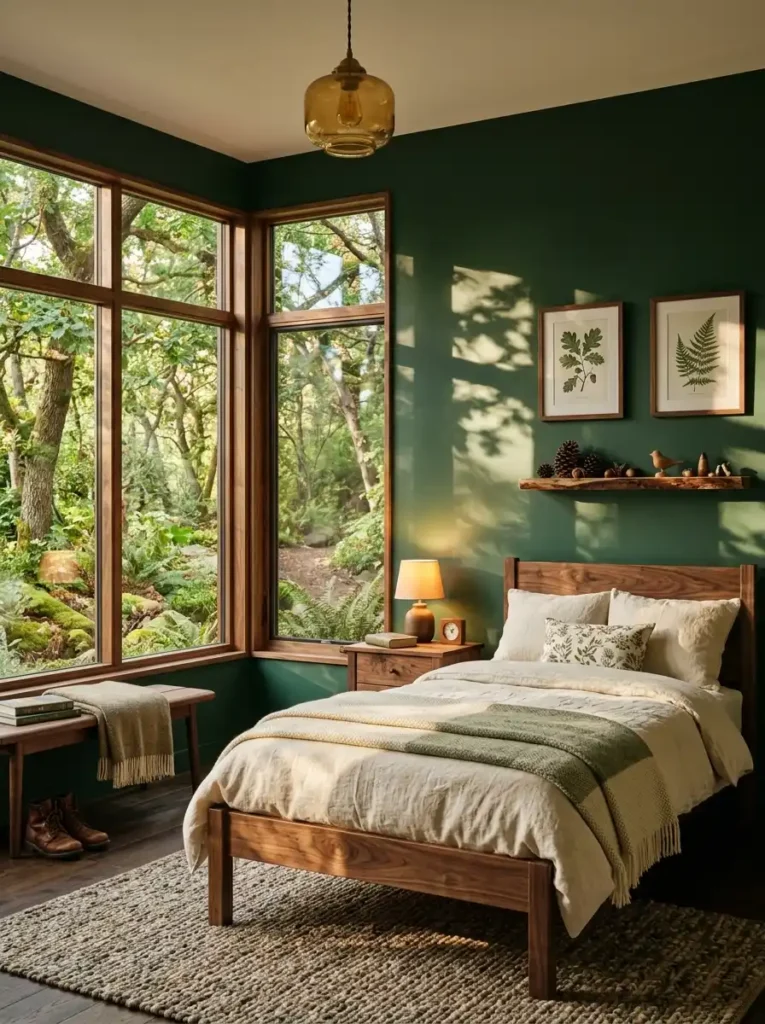
Forest green brings a calm, earthy character to a boy’s bedroom while still feeling bold enough for an older child. Use it across the main walls and balance the depth with cream bedding, natural wood, and warm neutral flooring.
Keep the nature theme understated with a few botanical prints, a wooden shelf, or a small collection of outdoor-inspired objects. Warm lighting works particularly well against the green, making the room feel cozy in the evening.
Best Pairing: Forest green + cream + natural wood
3. Sunny Mustard Accent Wall
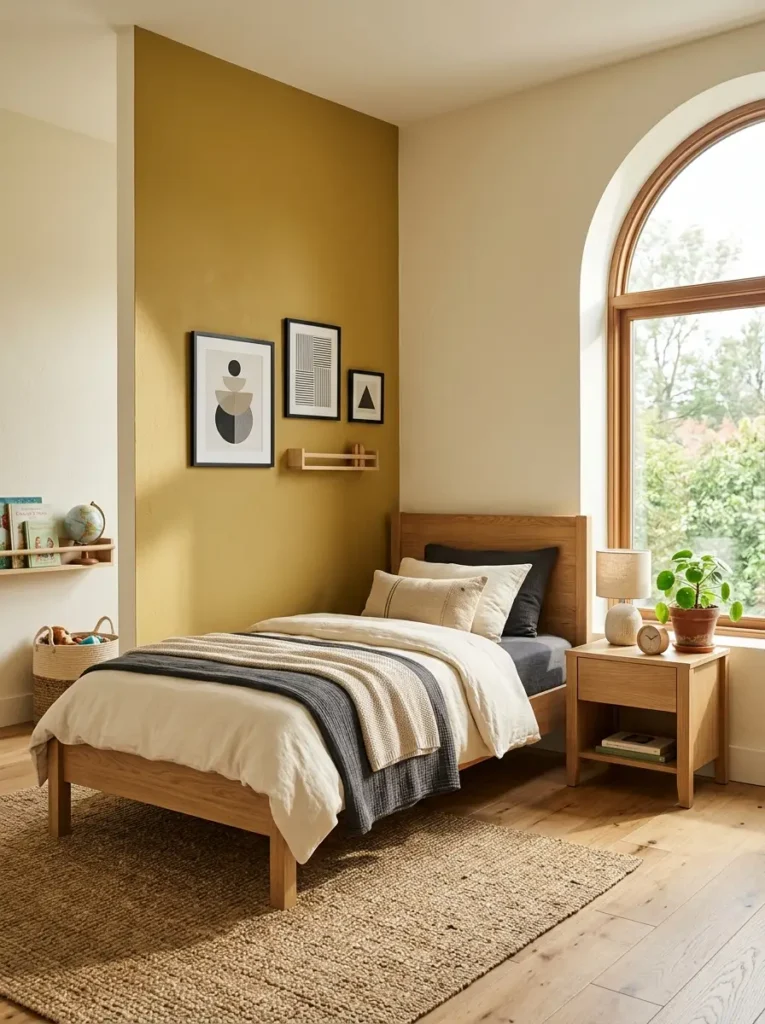
A mustard accent wall can bring cheerful energy without making the entire bedroom feel overly bright. Place the color behind the bed and keep the remaining walls warm white to create a clear focal point with plenty of visual breathing room.
Natural wood furniture and a textured jute rug work beautifully with mustard, while black-framed artwork adds a modern contrast. Choose muted mustard rather than an extremely vivid yellow for a look that can transition as he grows.
Quick Tip: Keep three walls neutral so the mustard wall stays the star.
4. Charcoal Modern Teen Room
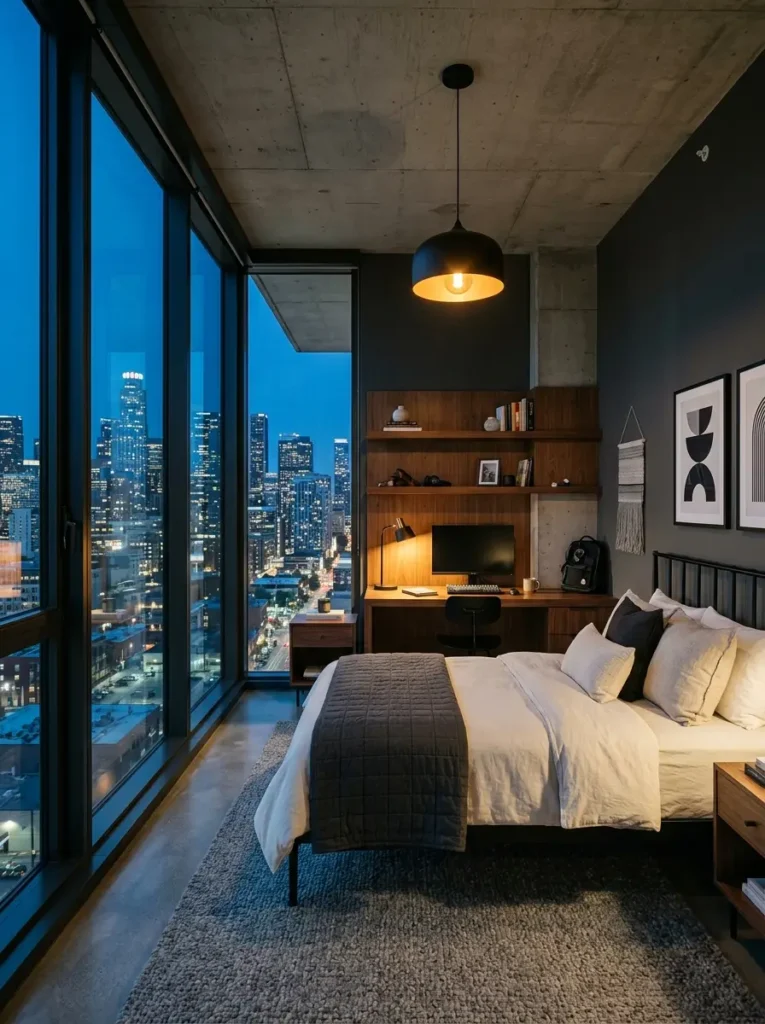
Charcoal gray walls can give a teenage bedroom a more mature and sophisticated appearance without feeling too formal. Use the color with plenty of natural light and introduce lighter elements such as warm white bedding, pale wood, and a soft textured rug.
Black metal furniture and simple graphic artwork can strengthen the modern look. To prevent the room from feeling too dark, layer warm lighting around the bed and desk instead of relying on one overhead fixture.
Do This: Add warm wood and soft textiles to balance the charcoal.
5. Soft Sky Blue Bedroom
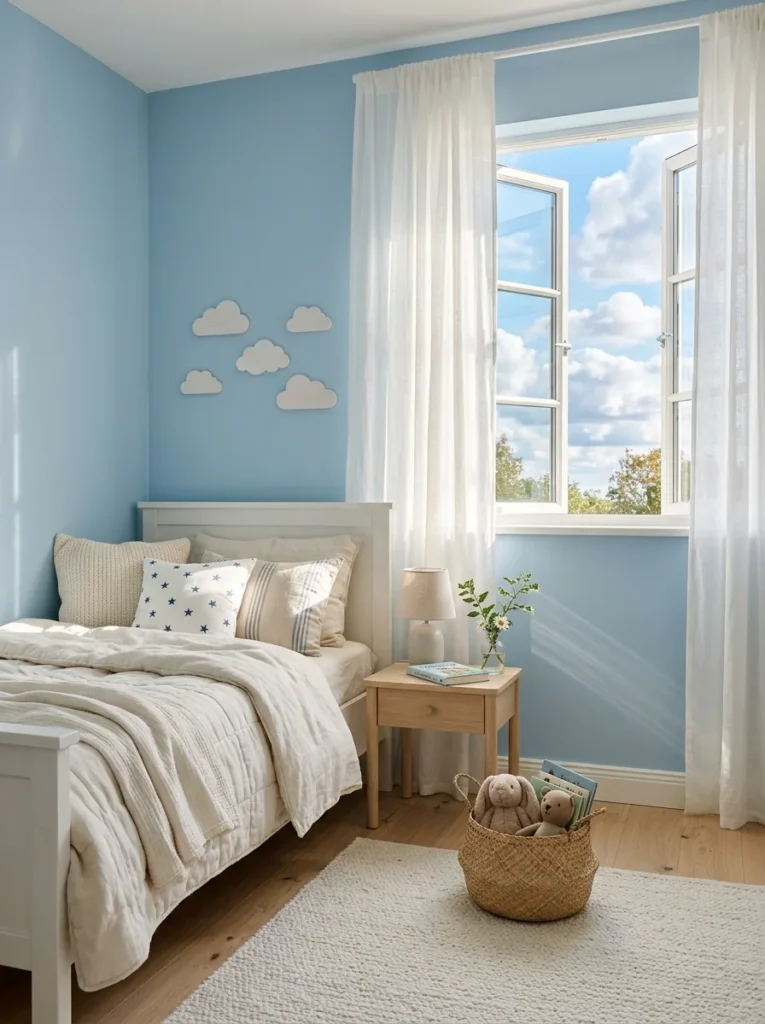
Soft sky blue is an easy choice for creating a bright and peaceful bedroom, particularly for younger boys. Instead of making the room feel overly themed, combine the color with warm white furniture, natural textures, and simple cloud-inspired details.
A pale blue wall works beautifully with cream bedding and light wood flooring. Add a soft cotton rug and a few understated decorative pieces so the room feels calm and timeless rather than overly childish.
Palette: Sky blue + warm white + pale wood + cream
6. Warm Terracotta Adventure Room
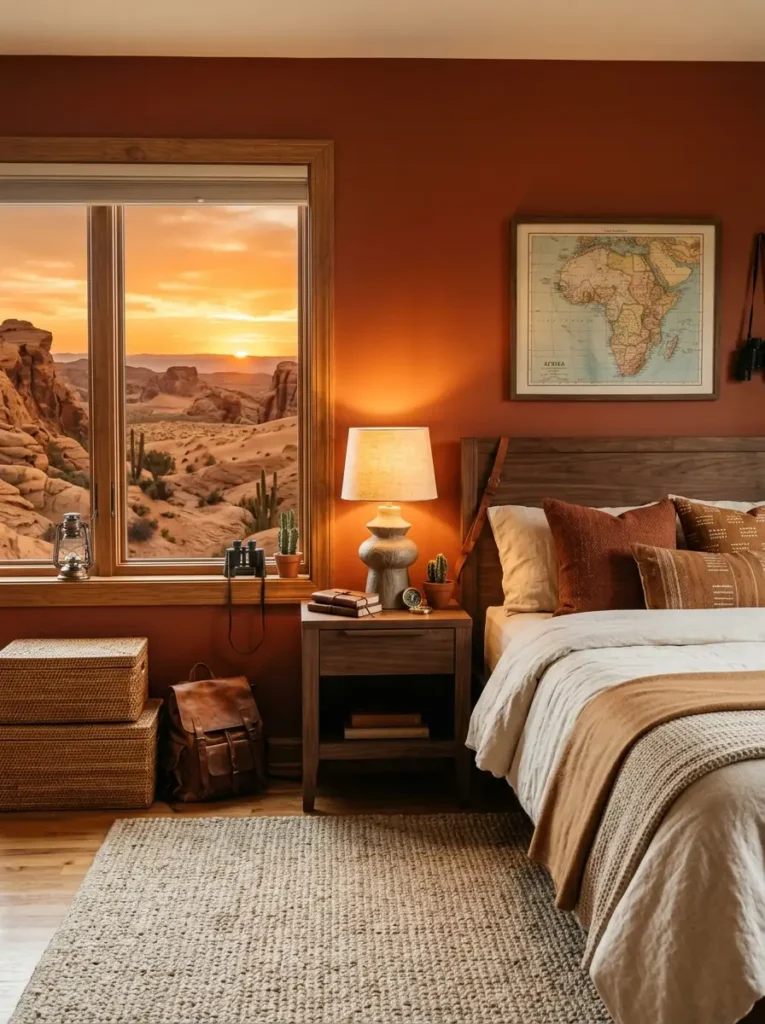
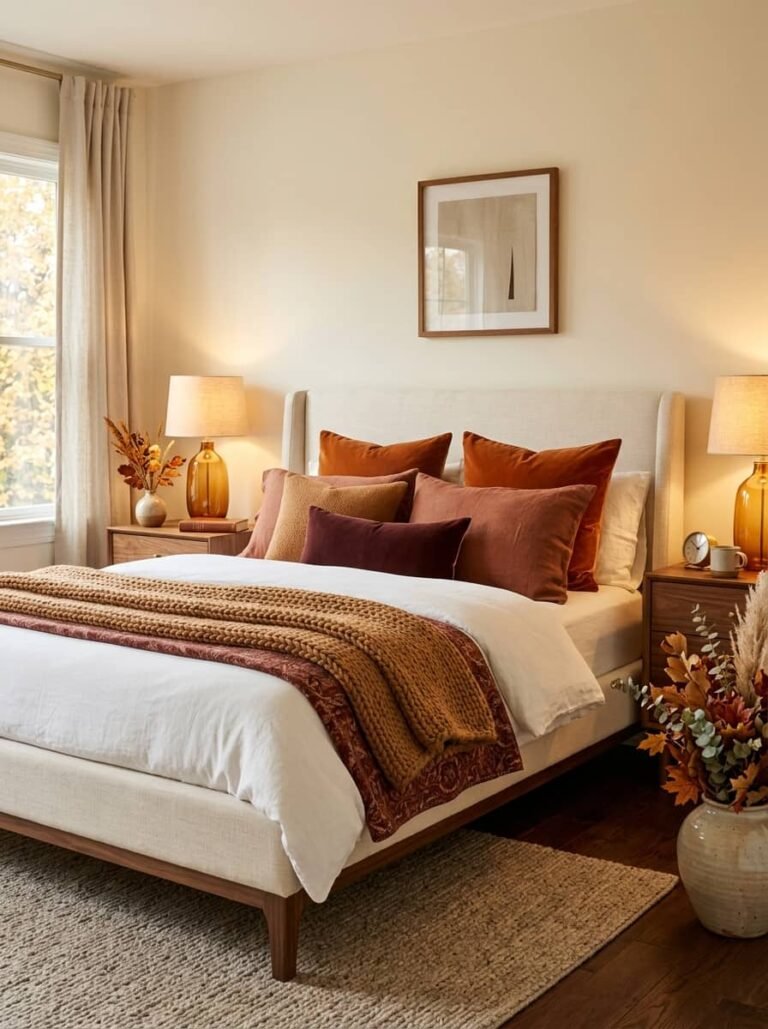
Terracotta adds warmth and personality without requiring a strong theme. Use a muted clay shade on the walls and pair it with natural wood furniture, cream textiles, and woven storage to create an earthy bedroom with plenty of character.
A simple landscape print, vintage-style compass, or framed travel illustration can add an adventurous feeling without taking over the room. Keep the accessories limited so the warm wall color remains the main visual feature.
Best Combination: Terracotta + cream + walnut + woven textures
7. Dusty Blue and Warm Wood
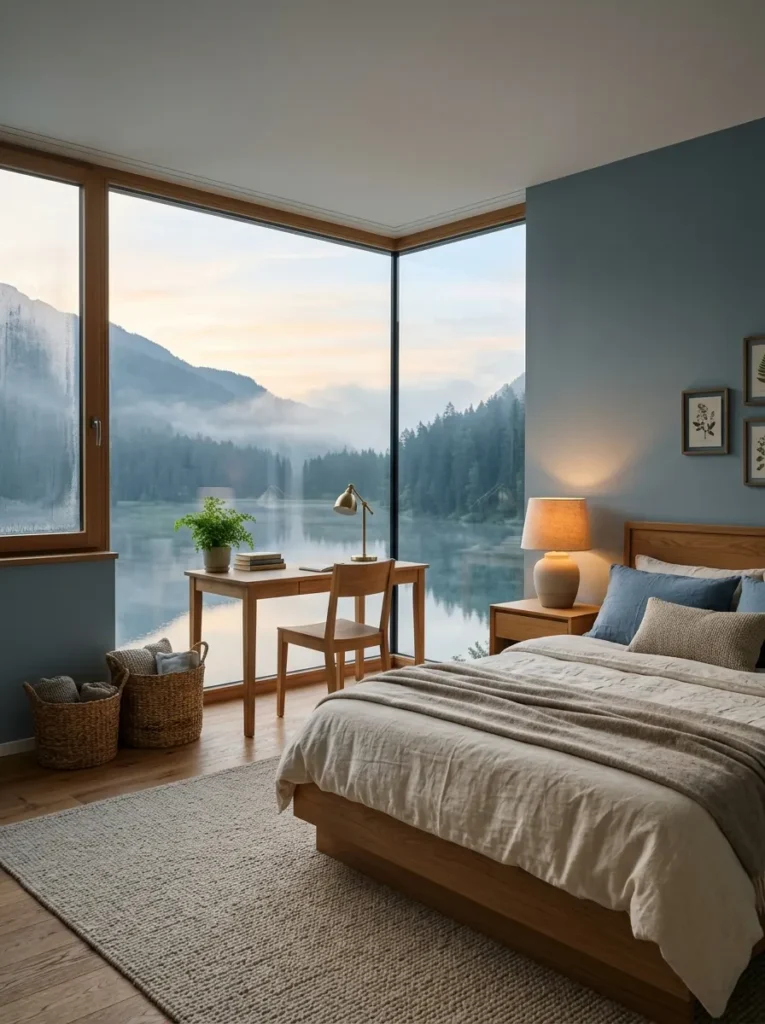
Dusty blue offers a softer alternative to traditional bright blue while still giving a boy’s bedroom plenty of personality. Paint the walls in a muted blue-gray shade and pair them with warm oak furniture to keep the room feeling balanced and inviting.
Cream bedding, a woven basket, and a textured rug can add warmth without competing with the wall color. This combination works especially well for tweens because it feels youthful now but can easily grow with them.
Palette: Dusty blue + cream + oak + warm beige
8. Two-Tone Blue and White Walls
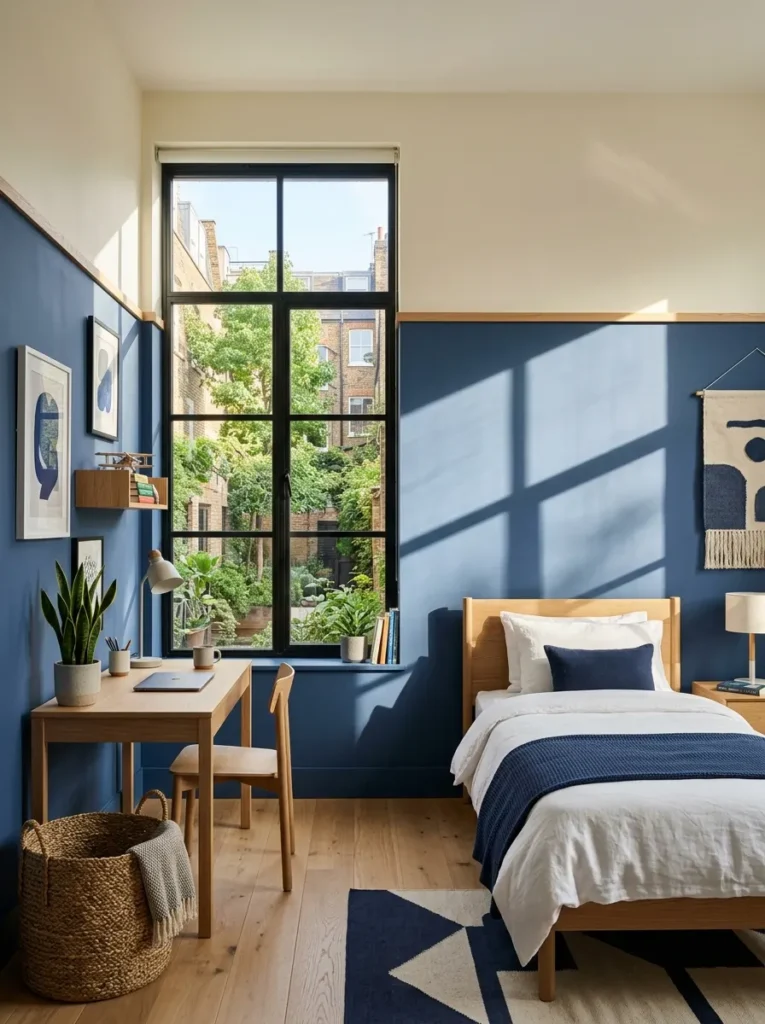
Two-tone walls can make a bedroom feel more interesting without needing complicated decoration. Paint the lower section a medium blue and keep the upper portion warm white, separating the two with a slim painted or wooden trim.
The darker lower section is practical because it hides everyday marks better, while the white upper portion keeps the room feeling bright. Add natural wood furniture and simple bedding to connect both colors into one cohesive design.
Do This: Use the darker color below eye level and the lighter shade above it.
9. Sage Green Calm Bedroom
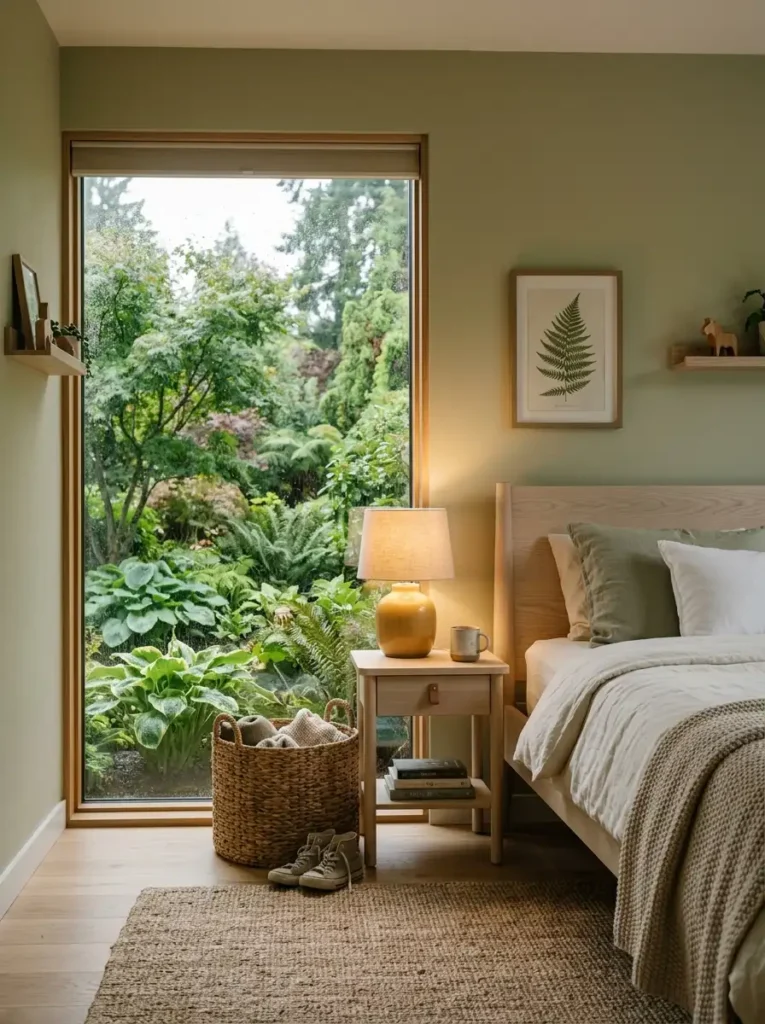
Sage green creates a restful bedroom atmosphere while bringing a subtle connection to nature. Use it across all four walls and balance the muted color with creamy white bedding, pale wood furniture, and soft beige accessories.
Because sage is understated, you can add a little more personality through artwork or bedding without making the room feel visually busy. A warm table lamp and natural woven textures will also make the color look richer in the evening.
Quick Tip: Choose a warm sage rather than a gray-heavy green for a cozier result.
10. Deep Teal Statement Wall
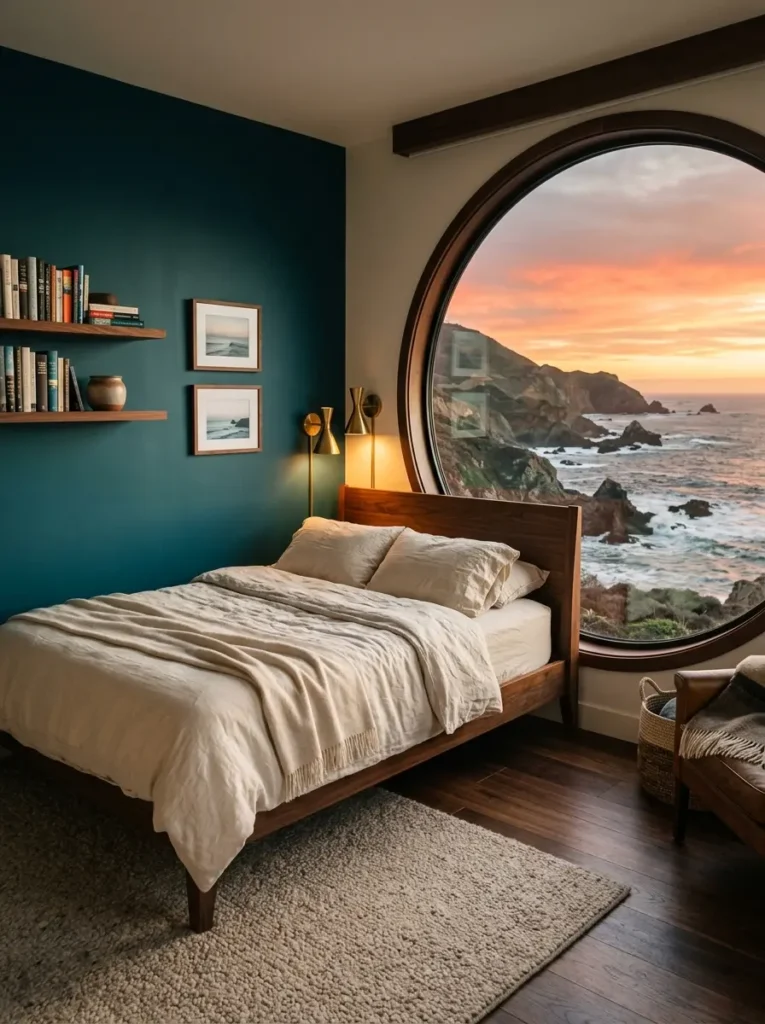
Deep teal can create a dramatic focal point while feeling more distinctive than standard navy. Use it behind the bed and keep the remaining walls in a warm neutral to prevent the bedroom from becoming too dark.
Brushed brass lighting, walnut furniture, and cream bedding complement teal particularly well. For a subtle adventurous mood, add framed ocean photography or abstract artwork instead of covering the room with a specific theme.
Best Pairing: Deep teal + walnut + cream + brushed brass
11. Warm Greige for a Timeless Room
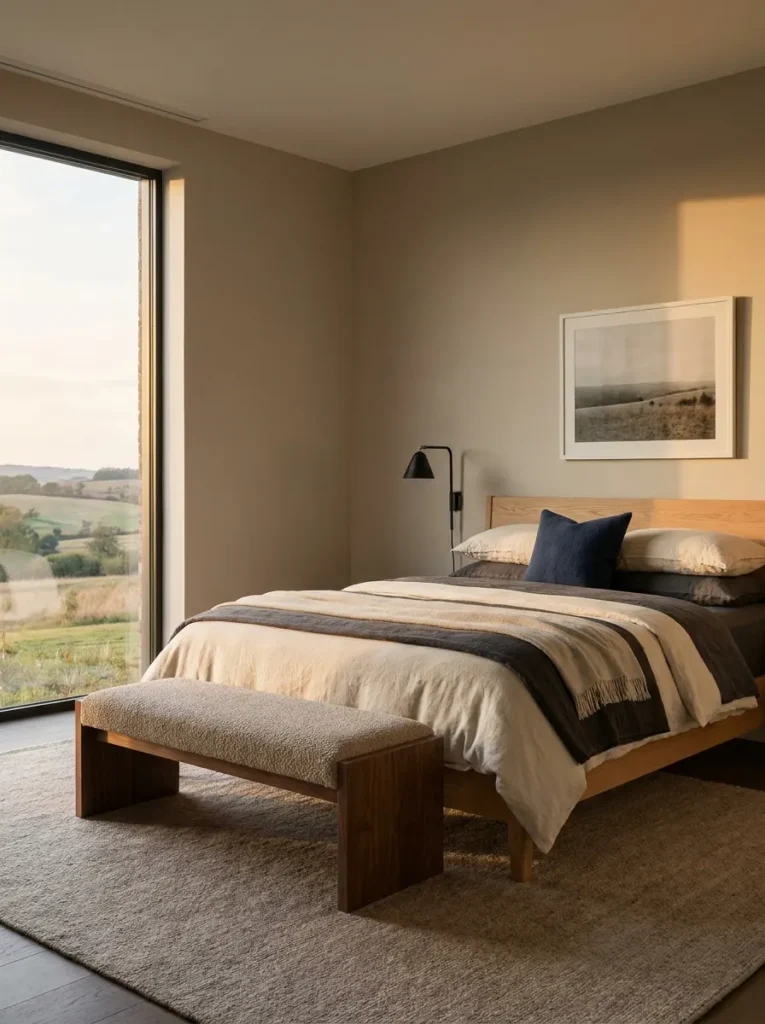
Greige combines the softness of beige with the modern character of gray, making it an excellent choice when you want a bedroom that can change easily over time. Paint the walls in a warm greige and let furniture and accessories provide most of the personality.
Light oak, charcoal, navy, or muted green all work well with this neutral backdrop. The result feels mature enough for a teenager but still warm and comfortable for a younger boy.
Palette: Warm greige + oak + charcoal + muted blue
12. Slate Blue for a Cool Modern Look
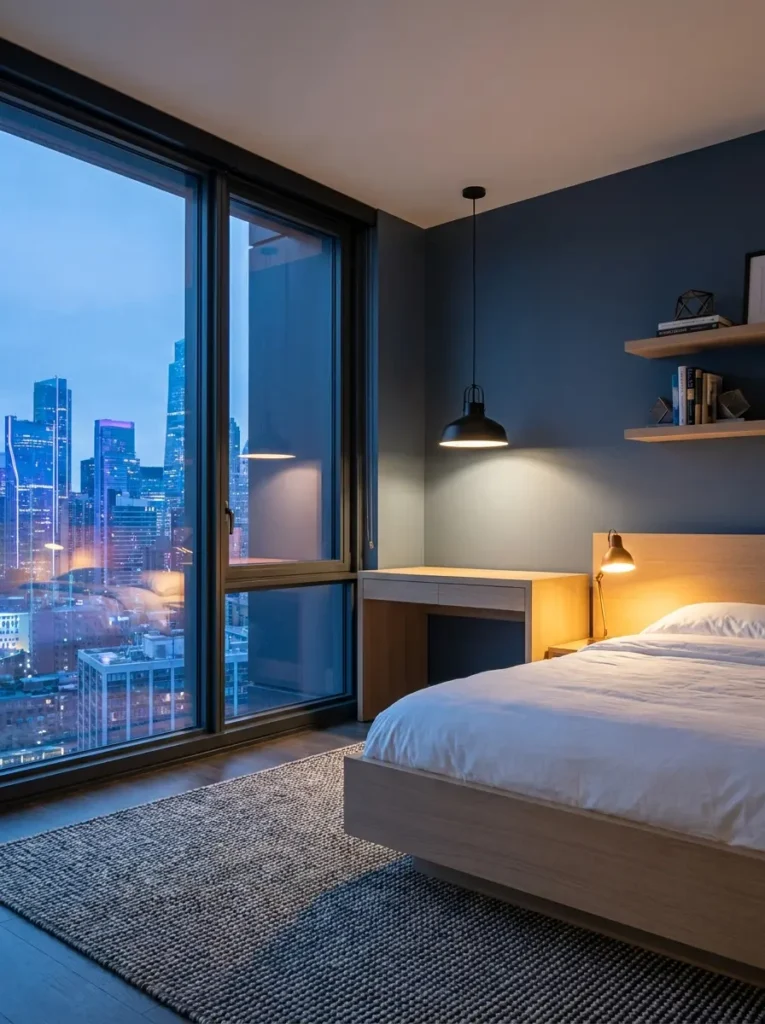
Slate blue gives a bedroom a polished appearance while remaining softer than a very dark navy. It works especially well with white trim, pale oak furniture, and simple black accents for a clean contemporary look.
Use the color throughout the room if there is plenty of natural light, or make it an accent wall in a smaller space. Keep the bedding simple and add one textured throw to prevent the room from feeling too stark.
Do This: Pair slate blue with warm wood instead of matching it with too many cool gray elements.
13. Soft Olive Green Bedroom
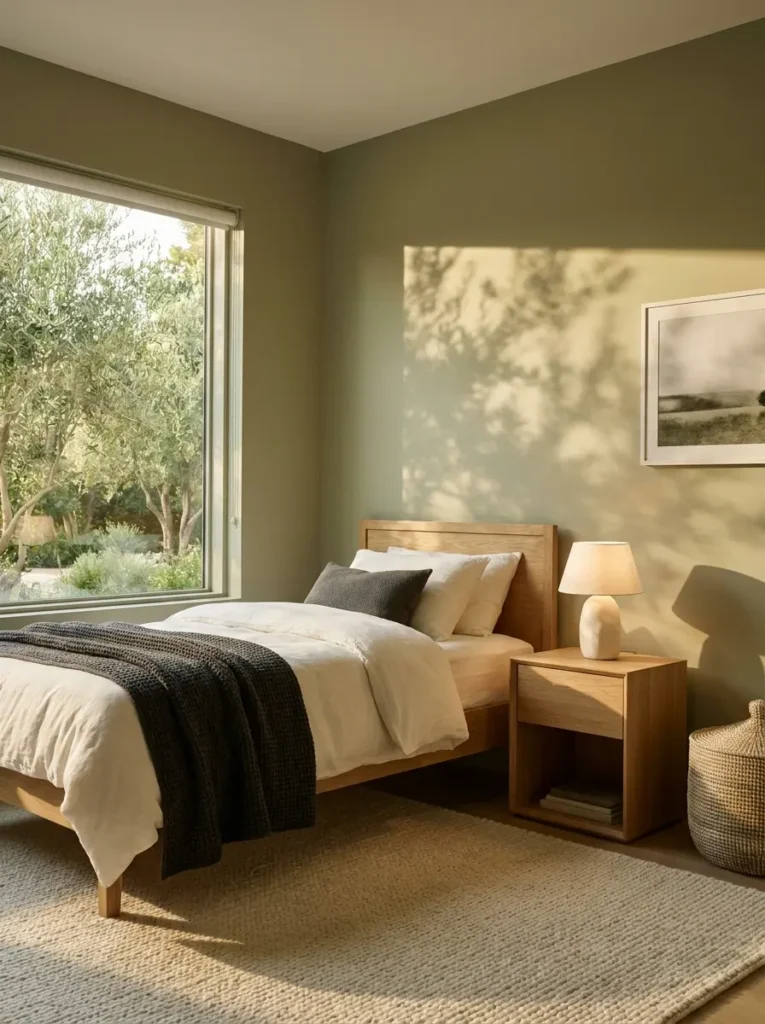
Soft olive green brings an earthy, relaxed feeling to a boy’s bedroom without looking overly themed. Paint the walls in a muted olive shade and balance the color with warm white bedding, natural oak, and woven accessories.
For a more mature look, add charcoal or dark brown accents through a rug, desk chair, or simple artwork. The combination works particularly well in rooms with plenty of natural daylight because the green changes beautifully throughout the day.
Palette: Olive green + warm white + oak + charcoal
14. Terracotta and Cream Two-Tone Room
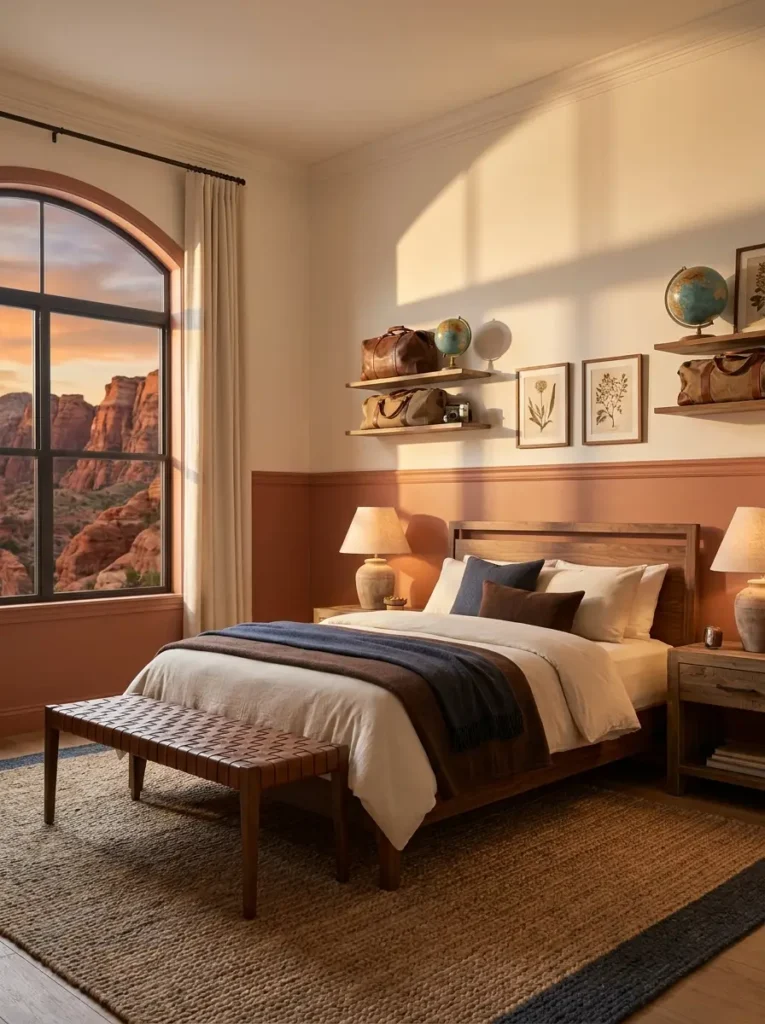
A terracotta-and-cream combination can make a boy’s bedroom feel warm, creative, and distinctive. Instead of using terracotta everywhere, paint the lower half of the walls in a muted clay shade and keep the upper portion creamy white.
Natural wood furniture helps connect the two colors, while navy or dark brown bedding provides a stronger accent. This approach gives the room personality while keeping the overall design balanced and easy to update later.
Color Formula: Terracotta below + cream above + natural wood
15. Classic Soft Gray Bedroom
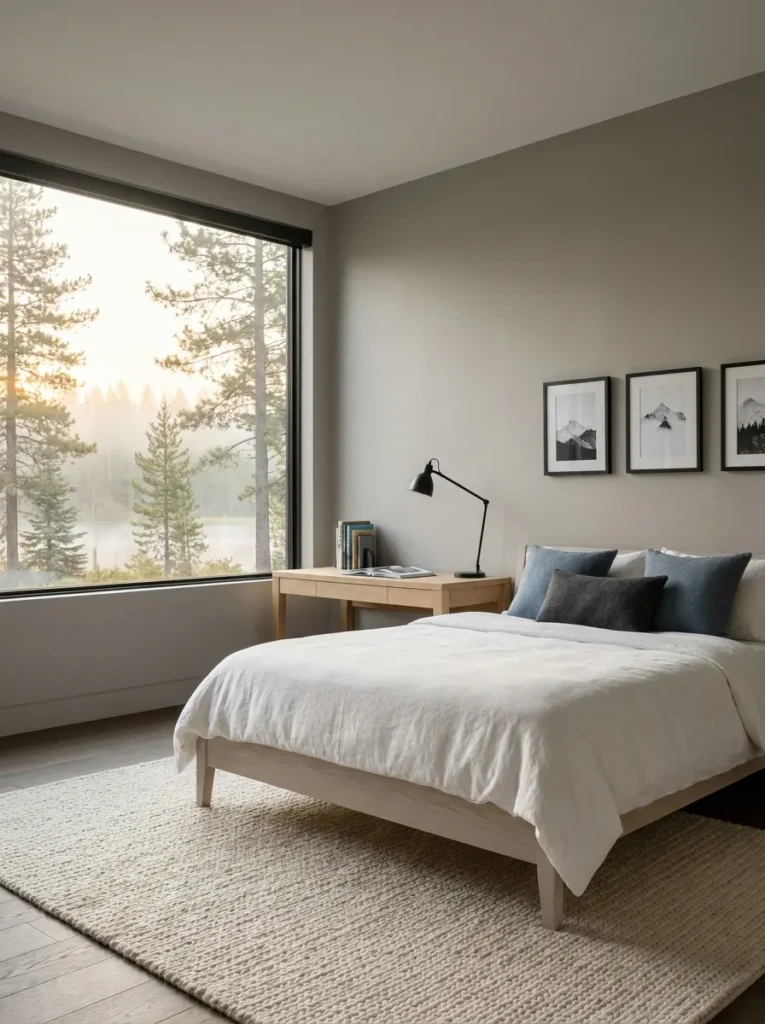
Soft gray is a dependable option when you want the room to feel clean and modern without choosing a strong color. Select a warm gray with subtle beige undertones so the walls do not appear cold, especially in rooms with limited sunlight.
White bedding, pale wood, and muted blue accessories create an easy combination. Because the walls remain neutral, you can change artwork, bedding, or furniture later without needing to repaint the entire bedroom.
Best For: A flexible room that can evolve with age
16. Midnight Blue Sleep Retreat
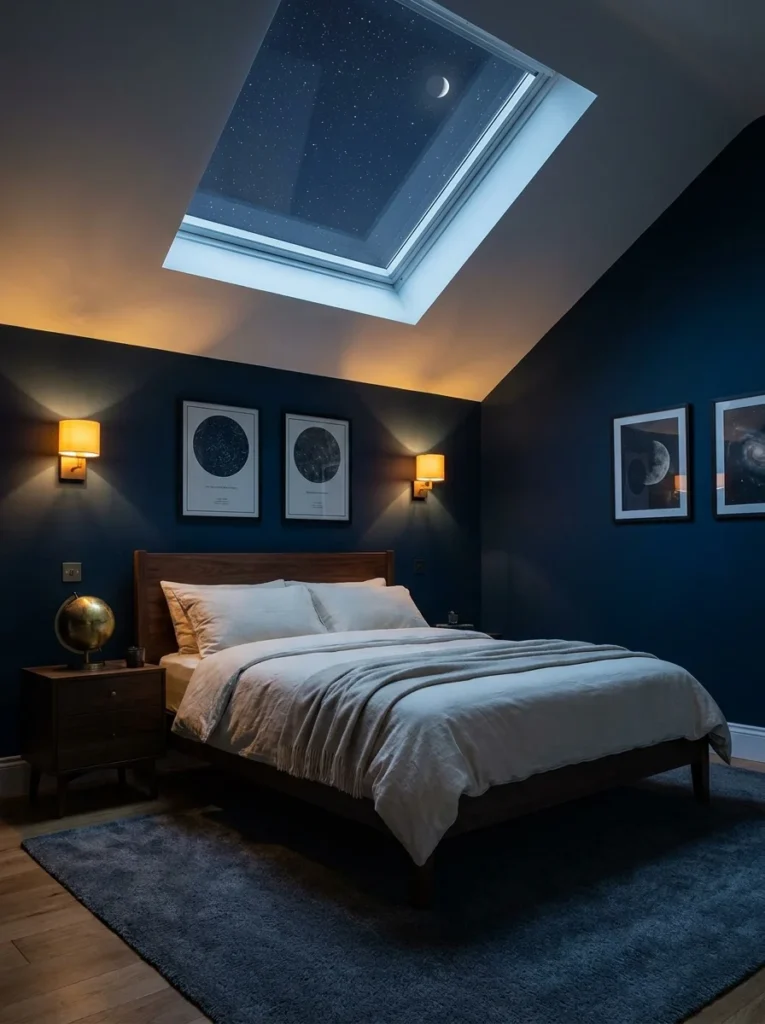
Midnight blue creates a cozy, cocoon-like atmosphere that can work especially well for older boys and teenagers. Use it behind the bed or across the entire room if the space receives plenty of daylight.
Balance the dark walls with warm white bedding, walnut furniture, and soft amber lighting. A few subtle star or astronomy-inspired details can add personality, but keeping them restrained helps the room feel sophisticated rather than overly themed.
Do This: Use warm lighting to make deep blue walls feel inviting at night.
17. Warm Beige Adventure Base
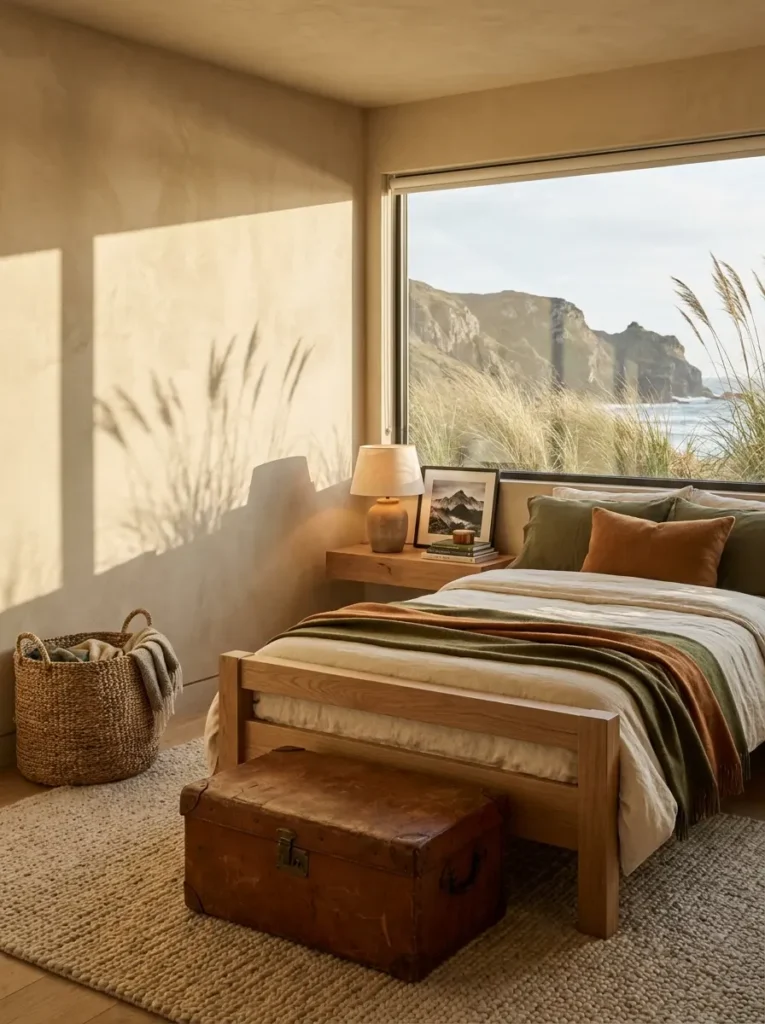
Warm beige can create a comfortable neutral foundation while leaving plenty of room for playful accessories. Choose a creamy sand or camel-toned paint and pair it with natural wood, olive green, navy, or rust accents.
This approach is especially useful when you want the room to grow with the child. Swap the bedding, artwork, and accessories as his interests change while keeping the wall color exactly the same.
One Thing to Remember: Let accessories provide the changing personality, not the paint.
18. Blue-Gray and Natural Oak Combination
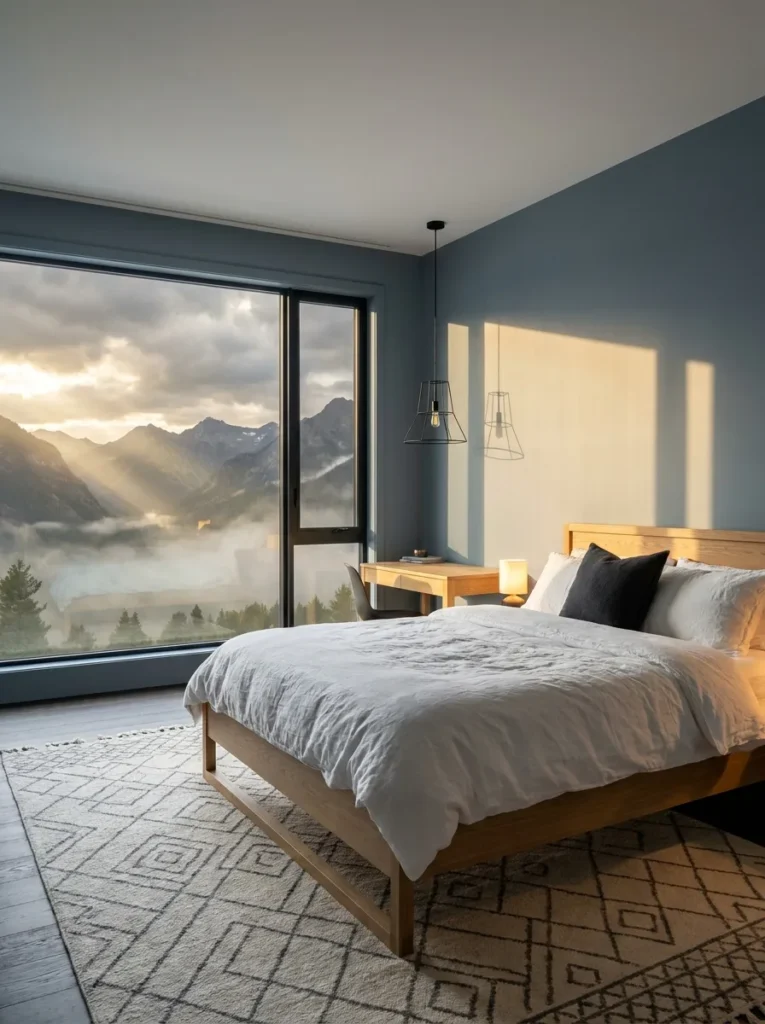
Blue-gray walls offer a balanced middle ground between colorful and neutral. The slightly muted tone gives the bedroom character while remaining calm enough for sleeping, studying, and relaxing.
Pair the walls with natural oak furniture to introduce warmth, then use white bedding and a small amount of dark charcoal for contrast. A simple geometric rug can tie the colors together without making the room feel overly decorated.
Palette: Blue-gray + oak + white + charcoal
19. Burnt Orange Accent Wall
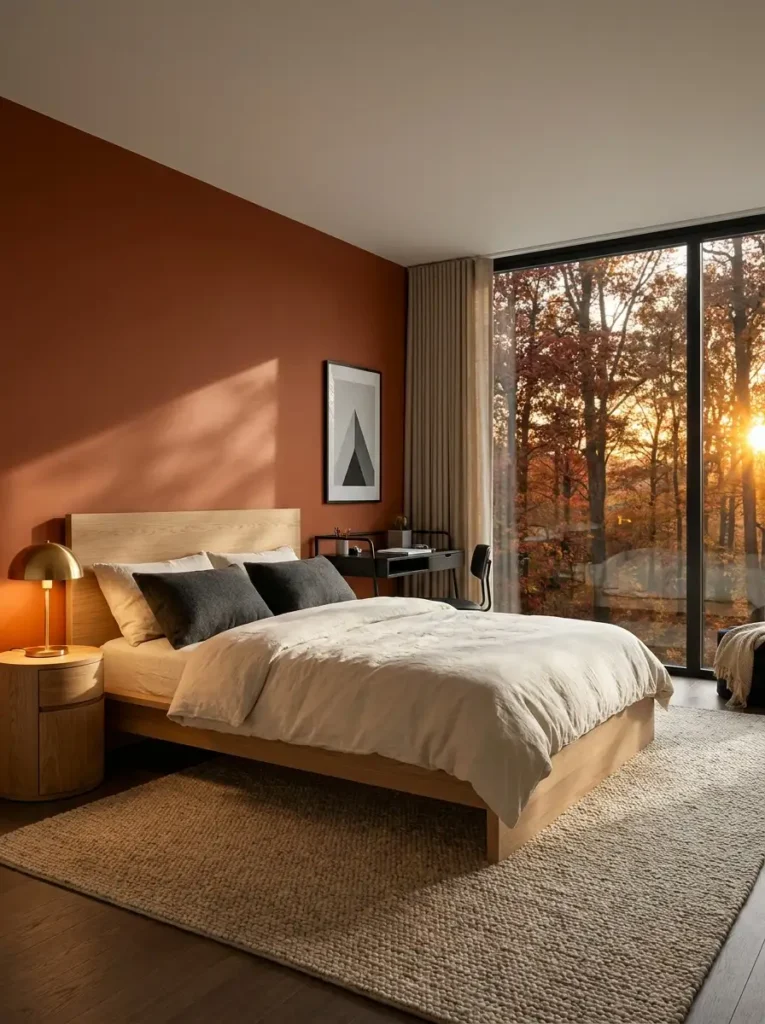
Burnt orange can add warmth and energy without making the bedroom feel too bright or childish. Use it as a feature wall behind the bed and keep the other walls a soft warm white for balance.
Natural oak, charcoal, and cream work especially well with this earthy shade. Add simple geometric artwork or a textured rug to introduce more visual interest while allowing the orange wall to remain the main focal point.
Best Pairing: Burnt orange + cream + oak + charcoal
20. Muted Denim Blue Bedroom
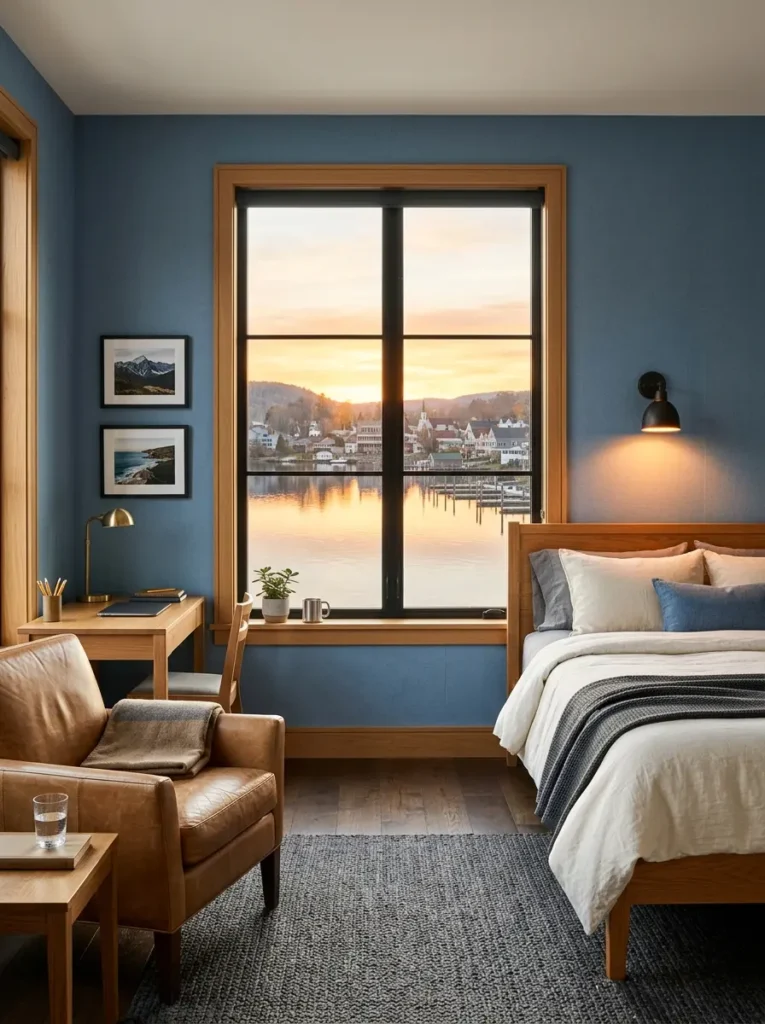
Muted denim blue gives a bedroom a relaxed, casual character that feels especially suitable for tweens and teenagers. Paint the walls in a soft denim shade and combine them with warm white trim to keep the room bright.
Add natural wood furniture and a few charcoal or tan accents for contrast. The slightly faded quality of the blue makes it easier to pair with different bedding styles as his preferences change.
Quick Tip: Choose a slightly gray-based denim blue for a more sophisticated finish.
21. Warm Taupe Teen Bedroom
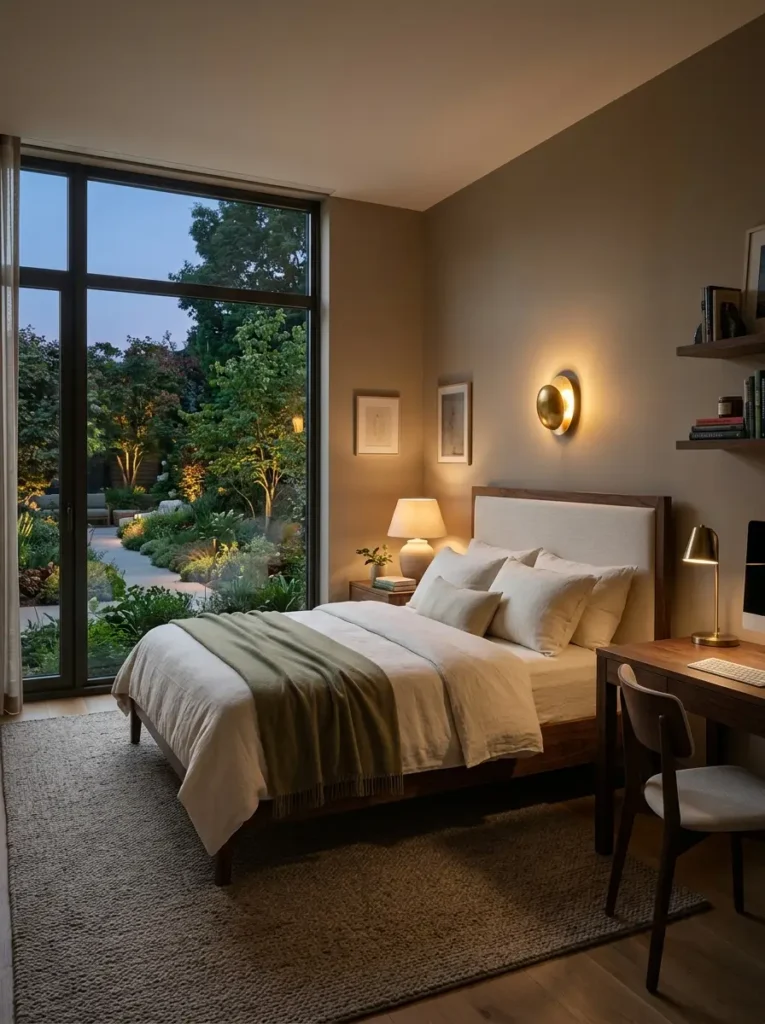
Warm taupe is an excellent choice for a mature bedroom that still feels comfortable and youthful. Its neutral character allows stronger colors to come through in bedding, artwork, rugs, or furniture without creating a busy room.
Pair taupe walls with dark walnut, cream, and muted green accents. A simple upholstered bed and warm layered lighting can make the space feel sophisticated enough for a teenager while remaining cozy and practical.
Palette: Taupe + walnut + cream + muted green
22. Ocean Blue and Sand Bedroom
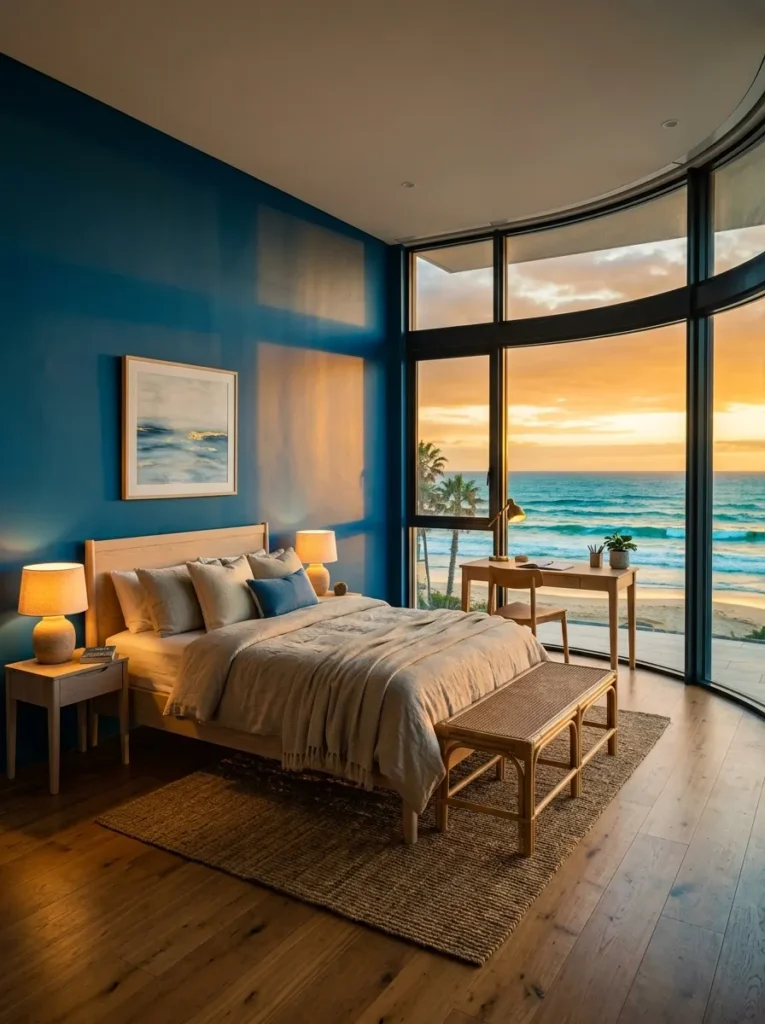
Ocean blue paired with sandy beige creates a relaxed coastal-inspired bedroom without relying on obvious beach decorations. Use a medium ocean-blue shade on the walls and introduce sand-colored bedding, pale wood, and woven textures.
Keep accessories simple with perhaps one abstract coastal print or a natural rope detail. The combination feels fresh and energetic during the day while becoming calm and restful under warm evening lighting.
Do This: Keep coastal accessories subtle so the color combination stays sophisticated.
23. Light Mushroom Neutral Bedroom
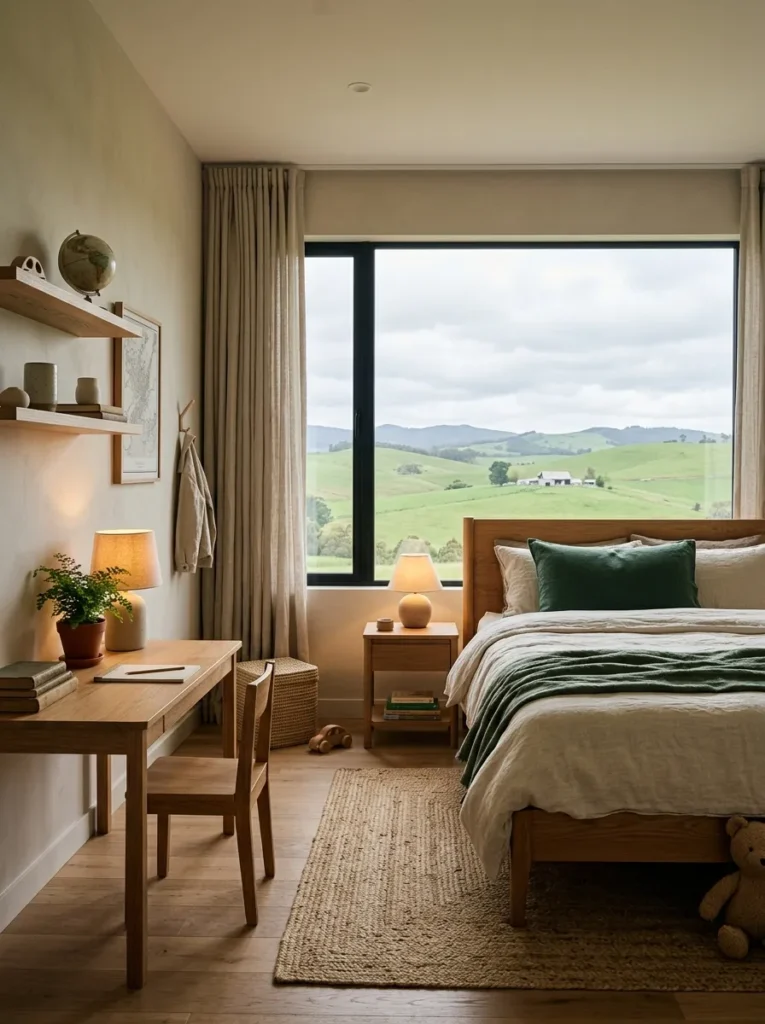
A light mushroom shade is a softer alternative to traditional beige or gray and creates a warm, modern backdrop. It works particularly well when you want the bedroom to feel calm but not completely plain.
Layer the color with cream bedding, medium-toned wood, and a little dark green or navy for contrast. Because the walls are understated, you can easily change the room’s personality through artwork, bedding, and accessories over the years.
One Thing to Remember: Use warm-toned lighting so mushroom walls retain their cozy undertones.
24. Navy and Warm White Classic Bedroom
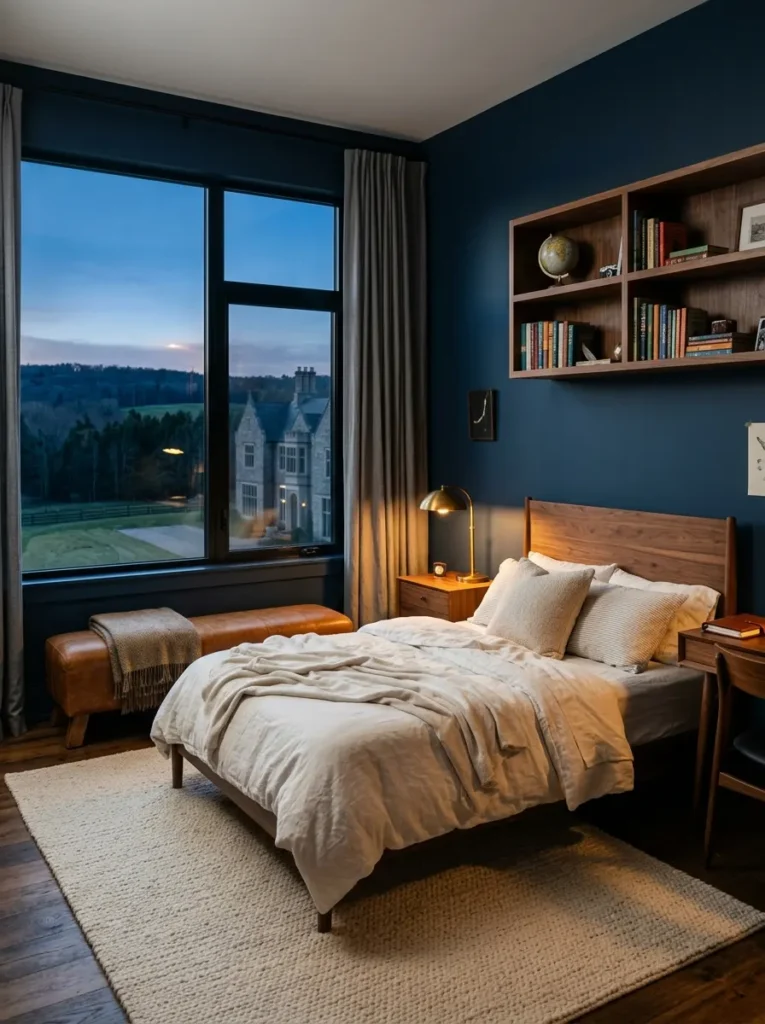
Navy and warm white create a timeless combination that can work from childhood through the teenage years. Use navy on the main walls or behind the bed, then introduce warm white through bedding, curtains, and selected furniture.
Natural wood keeps the room from feeling too formal, while small brass or tan accents add warmth. This approach is especially useful if you want a stylish bedroom that does not depend on a specific age or theme.
Best Formula: Navy walls + warm white textiles + natural wood + brass accents
Frequently Asked Questions
What is the best paint color for a boy’s bedroom?
Blue, green, gray, beige, and warm earthy shades are all versatile choices. The best option depends on the room’s natural light and the overall style you want. For a color that can grow with him, muted shades are usually easier to update.
Should I paint all four walls the same color?
Not necessarily. A feature wall, two-tone treatment, or darker wall behind the bed can create more visual interest. If you choose a strong color, keeping the remaining walls lighter can help the room feel balanced.
What colors make a boy’s bedroom feel bigger?
Light blue, soft gray, warm white, pale green, and light beige can help a smaller bedroom feel brighter and more open. Using the same light color across the walls and trim can create an even more spacious appearance.
How can I make a dark paint color work in a small bedroom?
Use the darker shade strategically and balance it with lighter bedding, natural wood, mirrors, and warm lighting. If the room receives good daylight, a deeper color can actually make the space feel cozy rather than cramped.
Final Thoughts
The best boys’ bedroom paint color does not have to follow a traditional theme or bright color scheme. A thoughtful shade can create a room that feels comfortable now while remaining flexible as his age and interests change.
Whether you prefer deep navy, calming sage, warm terracotta, sophisticated taupe, or a creative two-tone combination, focus on how the color works with natural light, furniture, and textiles. Choose the shade that fits the room’s atmosphere first, then use decor and accessories to add personality.